The two lines
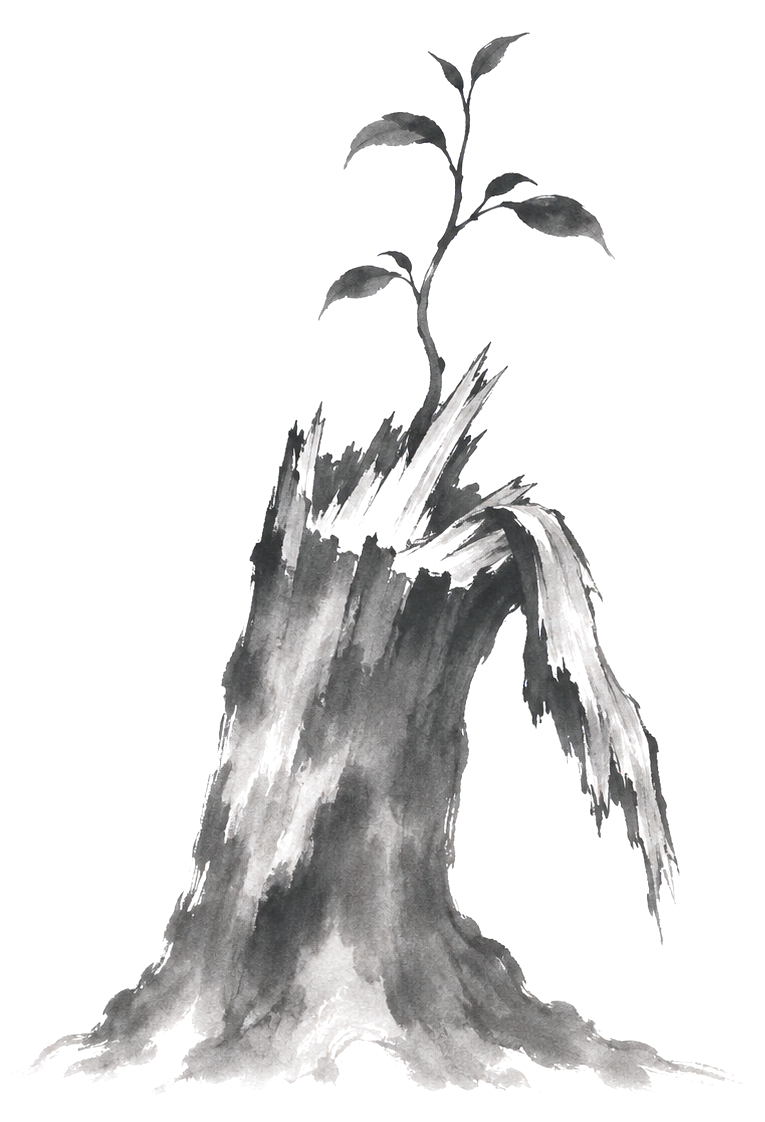
- Line 3, the Martyr. The conscious number. It stands for learning by doing, including all the things that go wrong. Few ideas are accepted on faith, and most are tested with hands and feet.
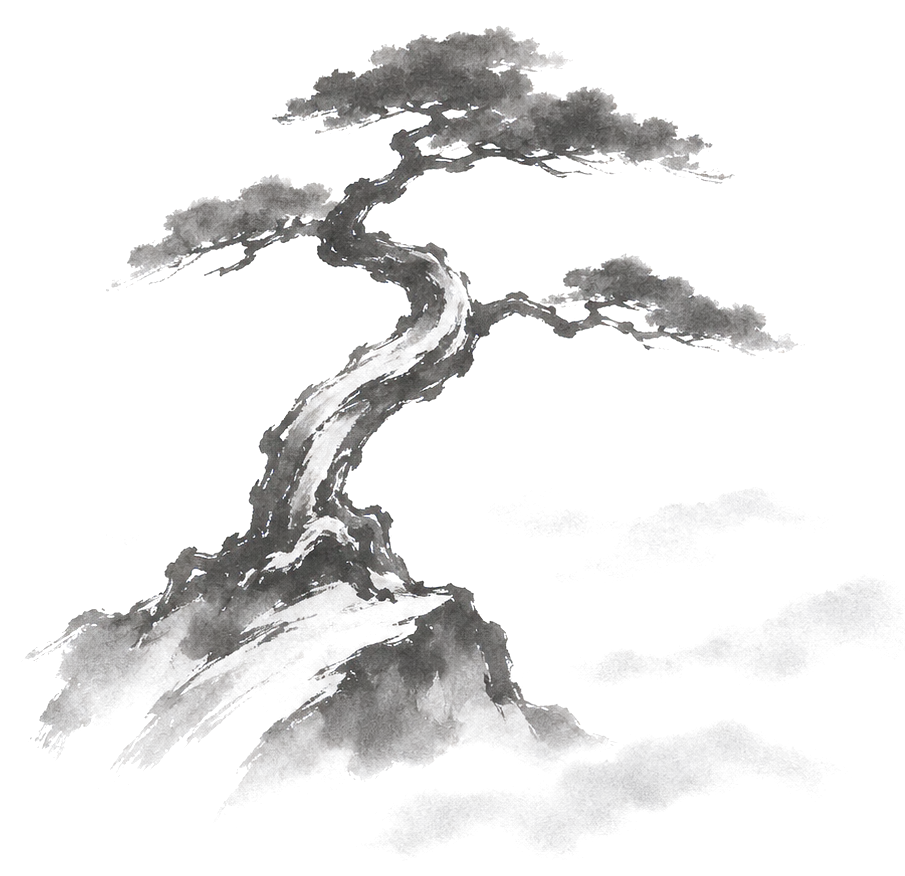
- Line 6, the Role Model. The unconscious number. The system pictures it as a life in three phases rather than a single mode. The Role Model starts out as someone who is trying things, then goes up on a roof to observe, and later comes down as someone who lives what has been learned.
The three phases, seen through a 3/6
The ages are approximate and the system itself gives them as rough guides.
- Until about 30. This is the trial phase. A 3/6 in this period is likely to try many things: courses, jobs, cities, relationships. Because both lines are comfortable with experiments, there is less pressure to settle. Looking back, this period often reads as a single course of study.
- About 30 to 50. This is the stage described as being on the roof. The person pulls back from the thick of things and watches. For a 3/6 this can be a time of reassessing what the earlier years taught. Some describe it as a long pause between acting and understanding.
- After about 50. The role-model phase. The system says the person now acts from lived experience. Others notice that the 3/6 has been through a good deal and has a view on it. The standing comes from the track record and not from titles.
Everyday scenes
- At 26. A 3/6 has had four careers. Friends say they cannot decide. In the system's terms, the person is running experiments with an unusually long horizon.
- At 35. The same person may turn down a promotion and take a quieter role from which they can watch how organizations behave. It may look like going backward from the outside.
- At 55. A younger colleague asks how the person has dealt with a failed launch. The answer is detailed and calm, and the colleague takes notes. That is the line 6 doing what it was set up to do.
A habit that helps
Try thisFor each big attempt, write one page headed "what this taught me" while it is fresh. In the roof years, the stack shows which lessons repeat and gives you a plain answer when someone asks how you know.
Where the friction is
- Judging the first phase. Measured by a settled standard, constant change can seem like a failure when it is the intended method.
- Detachment from others. The roof can become isolation if it is never left.
- Waiting for role-model standing. The system says the standing arrives from living honestly, not from performing it.
What this looks like in your chart
The profile is a pair of numbers in your chart summary, taken from the Sun's line at birth and at the design moment about three months earlier.
The free chart calculator shows it with your type and authority, and the guide to reading your chart explains the rest.
The three-phase idea is a teaching, not a finding. The method page covers where Human Design stands and how this site treats it.
Updated